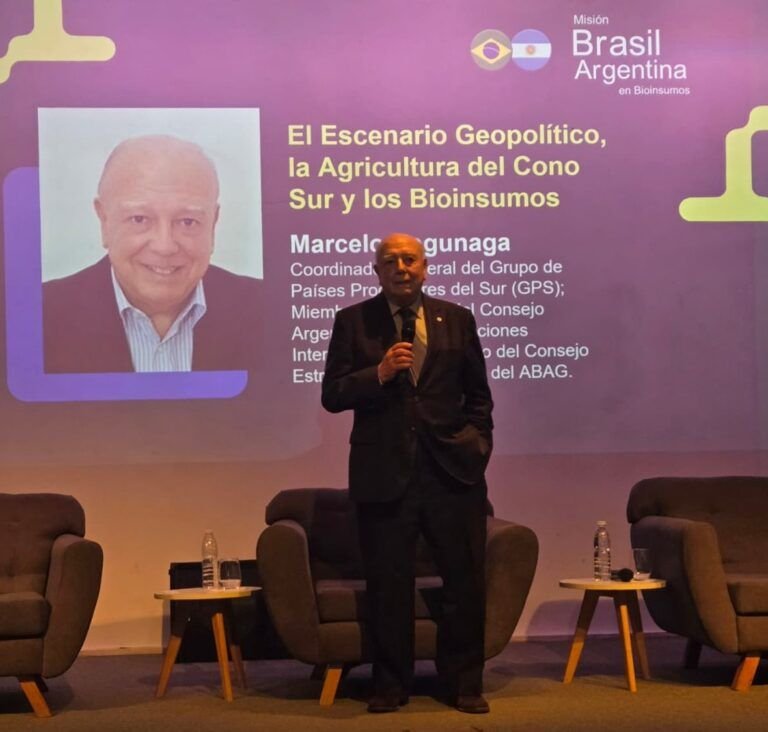
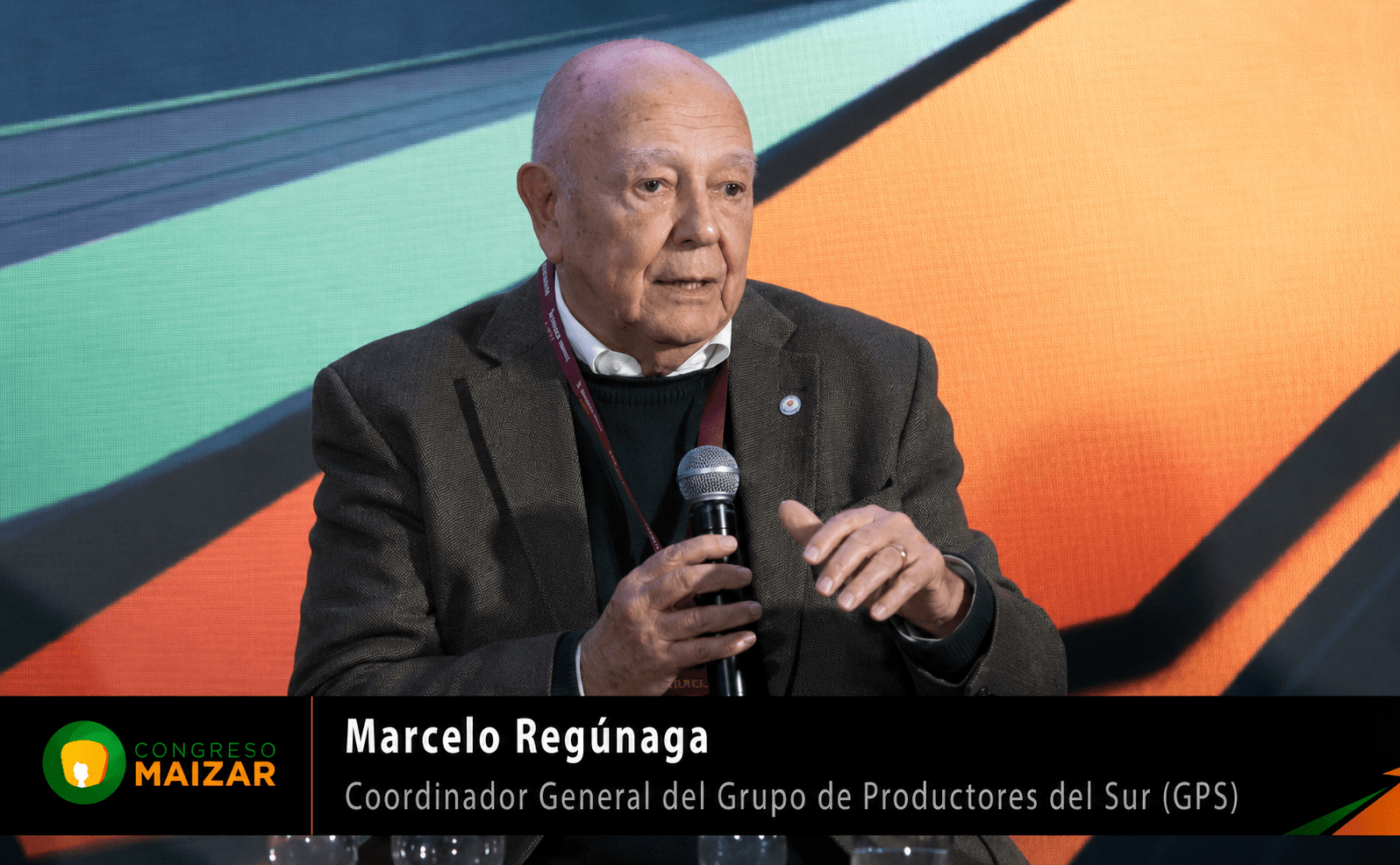
Within the framework of the panel that GPS coordinated at the Maizar 2026 Congress on the role and situation of the agro-industry in the new geopolitical context, Marcelo Regúnaga, General Coordinator of GPS, analyzed the challenges and opportunities of the agricultural sector in a scenario of geopolitical fragmentation and new global demands
In an international context marked by uncertainty, trade wars, and the proliferation of environmental and health regulations, Argentina's agribusiness faces a complex scenario, but one brimming with strategic opportunities. The general coordinator of GPS emphasized that, despite global turbulence, a new geopolitics of food and bioenergy is emerging strongly, placing Argentina in a privileged position.
“The context is more uncertain, with greater inefficiencies and costs, but at the same time, the geopolitical importance of food, bioenergy, and other natural resources that Argentina possesses in abundance is growing,” Regúnaga noted. The country boasts a wealth of resources, consolidated business capabilities, a strategic location with transoceanic options, and products with emerging global demand. All of this, combined with its status as a zone of peace, makes Argentina a “global strategic solution.” The main challenge, he cautioned, lies in constructing the right narrative and positioning to capitalize on these strengths.
Regarding export competitiveness, Regúnaga was emphatic: Argentina has enormous potential to increase the unit value of its exports. The average price of Argentine exports is less than half that of Australia and Malaysia, and 30% less than that of Brazil. To close this gap, he proposed following the path of these competitors through three key areas: active trade negotiations and international promotion; value-added products such as high-quality goods, biofuels, meat, and bioproducts; and differentiation through traceability and certifications. With these policies, he emphasized that exports could climb from the projected minimum of around US$80 billion for 2035, assuming no substantial changes to current conditions, to between US$100 billion and US$120 billion if trade negotiation and international integration policies similar to those of Australia, New Zealand, or Chile are implemented. That is, a substantially greater impact than what is projected for the energy sector also for the next decade, with the added advantage of the large territorial coverage of the agro-industrial sector.
Regarding the internal reforms needed to take advantage of agreements like the MERCOSUR-European Union agreement, the expert proposed an agenda that operates on two fronts. On the supply side, he pointed to the need to improve the macroeconomic environment, reduce the tax burden, foster innovation, raise standards (health, quality, and environmental)—an essential condition for accessing better prices in demanding markets—and strengthen infrastructure. On the demand side, he emphasized the importance of intensifying trade negotiations, international promotion, and building strategic alliances with greater capacity to generate foreign exchange, employment, and investment throughout the country. These offer interesting opportunities for this.
Watch the presentation