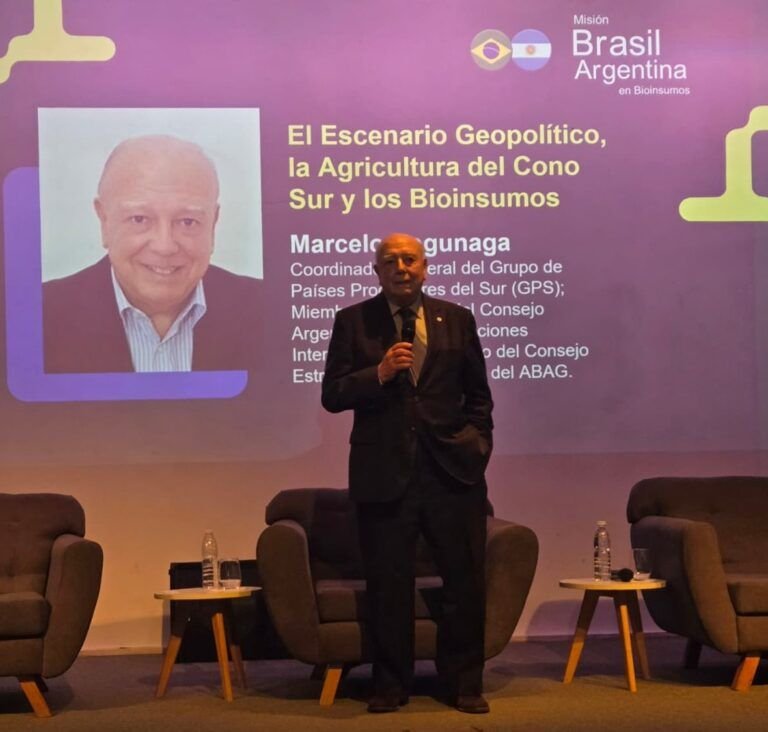
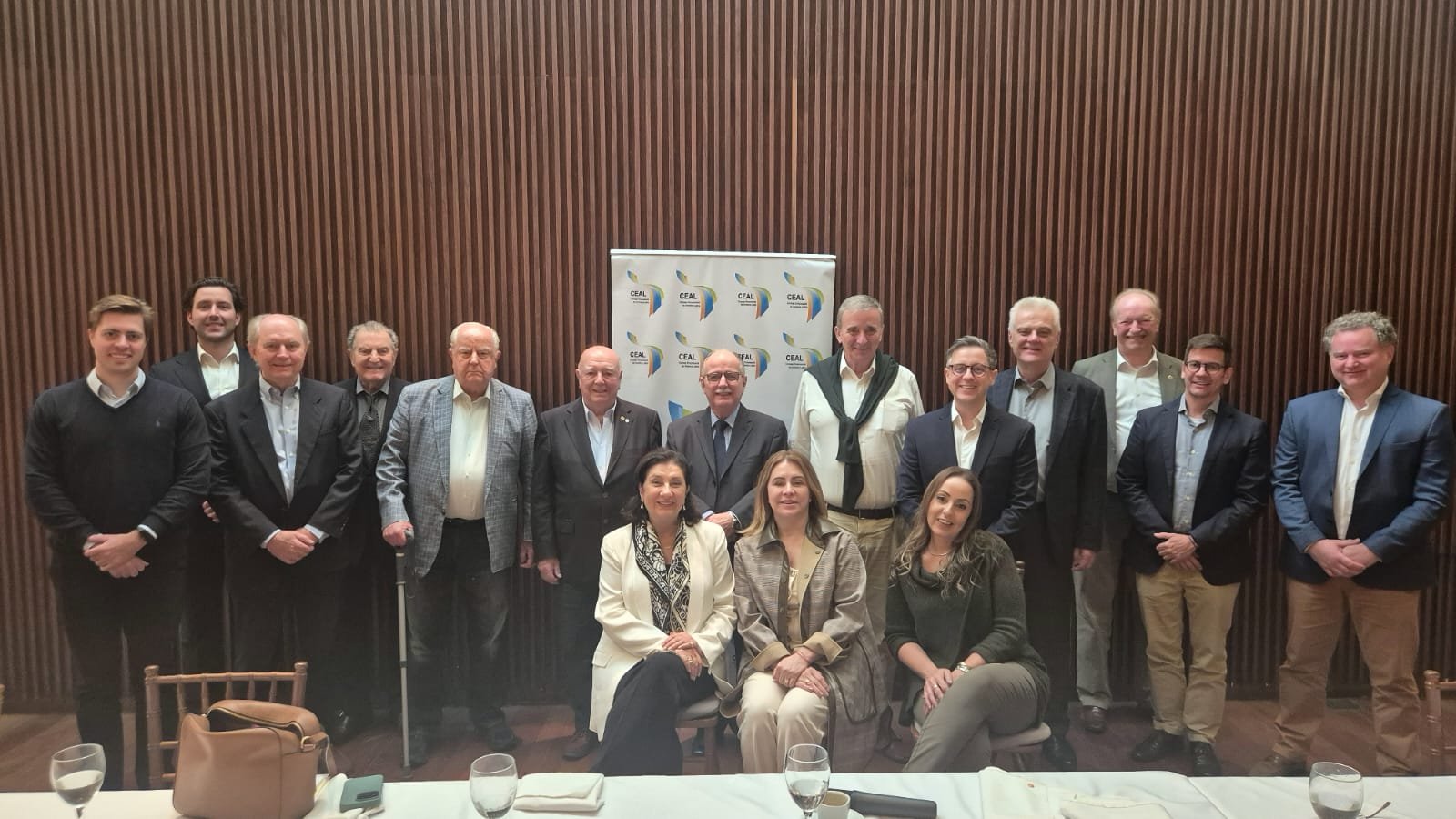
Engineer Marcelo Regúnaga, General Coordinator of GPS, participated as the keynote speaker at the “Leaders Dialogue” organized in São Paulo on March 10 by CEAL-Brazil. In his address, he discussed the new economic and agricultural policies implemented by President Milei and their impact on the agribusiness sector.
In this regard, I would like to emphasize that the Argentine government's new economic development strategy will base its progress on the international integration of its most competitive sectors: agribusiness, energy, mining, information technology, among others. To this end, priority has been given to creating an economic and financial environment conducive to investment, based on price stability, fiscal balance, debt reduction and increased reserves, reduced government spending, privatizations, deregulation and the elimination of restrictions on foreign trade, labor reform, and the gradual reduction of the tax burden. International negotiations have also been prioritized, resulting in the MERCOSUR-EU Agreement and a bilateral investment and trade agreement with the United States.
These reforms have created expectations and a favorable environment in the Argentine agricultural sector, which is beginning to be reflected in a significant growth in exports, whose prohibitions and export quotas were eliminated, although the tax pressure has only partially improved due to the fiscal restrictions for the elimination of taxes on exports and trade.
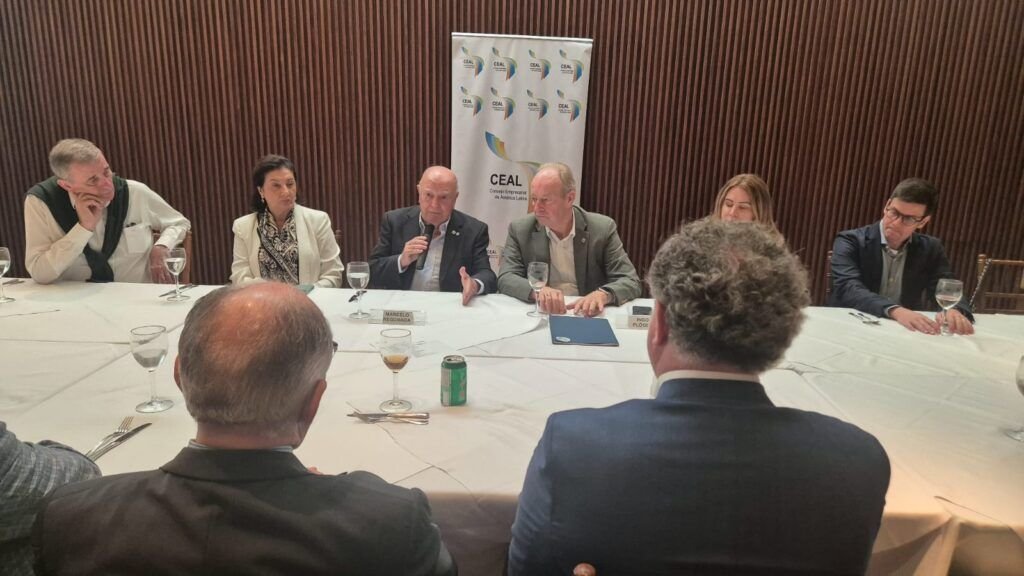
Engineer Regúnaga pointed out that the new international integration strategy currently faces a complex and highly uncertain international scenario, dominated by geopolitics and the loss of relevance of the rules of the multilateral framework that governed trade during the mid-20th century. In this new framework, agri-food value chains are not developed as technical issues, but as strategic economic and political assets, so hard geopolitics, rivalry between the great powers, and technological and commercial fragmentation emerge as new challenges.
In this context, the development of alliances among companies in the region, public-private coordination, and trust are critical factors to consider. The great productive potential of the Southern Cone makes it advisable to coordinate a regional strategy to position it as a key player in the geopolitics of food, given that the countries of the region are currently the main net exporters of food and their participation will be even more relevant in the future for global food security. In conclusion, it was emphasized that we have strategic assets that need to be strengthened through regional cooperation; CEAL and other institutions in the region, such as GPS, can play a key role in this regard. EU-South Cooperation and similar initiatives offer interesting opportunities for this.